
introduction
How to manage academic stress is an important question for students who struggle with exams, assignments, deadlines, grades, and expectations from family or teachers. Academic stress can make it difficult to concentrate, stay motivated, sleep well, and enjoy everyday activities. However, students can learn practical ways to manage these challenges and develop healthier study habits.
This guide explains what academic stress is, why it happens, how it affects students, and which strategies can help reduce it. Whether you are in school, college, or university, these tips can help you organize your workload, improve your focus, prepare for exams, and protect your mental well-being.
What Is Academic Stress?
Academic stress is the mental or emotional pressure students experience when they feel that their educational responsibilities are difficult to manage. It can arise from examinations, heavy coursework, competitive environments, high expectations, or concerns about future success.
A small amount of pressure may encourage students to prepare for an examination or complete an assignment. However, stress that becomes overwhelming or continues for a long time can interfere with learning, concentration, sleep, and daily life.
For example, a student who has three assignments due in one week may feel anxious about completing everything on time. Without a clear plan, the student might procrastinate, lose sleep, and feel increasingly overwhelmed. Breaking each assignment into smaller tasks can make the workload feel more manageable.
Academic stress affects students differently. What feels manageable to one student may be challenging for another, depending on their circumstances, available support, health, and workload.
What Causes Academic Stress in Students?

Academic stress usually develops from a combination of academic demands, personal expectations, and outside pressures. Understanding the cause is the first step toward choosing an effective solution.
1. Heavy Workloads and Tight Deadlines
Students often need to balance lectures, homework, projects, examinations, presentations, and extracurricular activities. When several deadlines fall close together, it can become difficult to decide what to complete first.
A lack of planning can make this pressure worse. Students may spend too much time on one task and leave other important assignments until the last minute.
2. Fear of Exams and Poor Grades
Examinations can create anxiety, particularly when students believe that one result will determine their entire future. Fear of failure may make it difficult to remember information or concentrate during a test.
Students can reduce this pressure by preparing consistently, practising questions, and viewing mistakes as opportunities to learn rather than proof of failure.
3. High Expectations From Family and Teachers
Some students feel pressure to achieve excellent grades because their families or teachers expect them to succeed. Although encouragement can be helpful, unrealistic expectations may create feelings of guilt, fear, or inadequacy.
Students benefit from realistic goals and supportive conversations about their progress, challenges, and educational needs.
4. Poor Time Management
Without a realistic schedule, students may underestimate how long assignments take or spend too much time on distractions. This can lead to rushed work, missed deadlines, and unnecessary worry.
Learning to prioritize tasks and divide large projects into manageable steps can make academic responsibilities easier to handle.
5. Financial and Personal Challenges
Financial difficulties, family responsibilities, relationship problems, limited access to learning resources, and concerns about future employment can add to academic pressure.
In these situations, study techniques alone may not solve the problem. Students may also need practical assistance, financial guidance, or support from trusted people and educational institutions.
Common Signs of Academic Stress
Academic stress can affect thoughts, emotions, physical health, and behaviour. Recognizing its signs early can help students take action before the pressure becomes harder to manage.
Common signs include:
- Emotional signs: Anxiety, irritability, frustration, sadness, or feeling overwhelmed.
- Physical signs: Headaches, muscle tension, tiredness, stomach discomfort, or difficulty sleeping.
- Thinking difficulties: Poor concentration, forgetfulness, negative thoughts, or trouble making decisions.
- Behavioural changes: Procrastination, avoiding classes, withdrawing from friends, or studying excessively without taking breaks.
These symptoms do not automatically mean that a student has a mental health condition. They can have several causes. However, persistent or worsening symptoms deserve attention, particularly when they interfere with schoolwork or daily activities.
How to Manage Academic Stress: 15 Effective Strategies
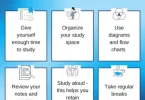
The most effective way to manage academic stress is to combine practical study methods with healthy daily habits and appropriate support. Students do not need to change everything at once. Starting with two or three manageable strategies can make the process easier.
1. Create a Realistic Study Schedule
A study schedule helps students understand what needs to be done and when to do it. It reduces uncertainty and makes large workloads easier to organize.
Start by listing your upcoming examinations, assignments, presentations, and other responsibilities. Estimate how much time each task will require and assign specific study periods throughout the week.
For example, if you have a science examination on Friday, you could review one chapter each day instead of trying to study the entire syllabus on Thursday night.
Keep your schedule realistic. Leave time for meals, rest, unexpected tasks, and personal responsibilities.
Practical tip: Plan your week before it begins, then spend five minutes each evening reviewing the next day’s priorities.
2. Break Large Tasks Into Smaller Steps
Large assignments can feel overwhelming when you think about completing the entire project at once. Breaking them into smaller actions makes it easier to begin and track your progress.
For example, instead of writing “complete research paper” on your task list, divide it into steps:
- Understand the assignment requirements.
- Choose a focused topic.
- Find reliable sources.
- Prepare an outline.
- Write the first draft.
- Review and edit the paper.
- Check references and submit the final version.
Each completed step provides a clear sense of progress. This method is especially useful for students who procrastinate because they do not know where to start.
3. Prioritize Important Assignments
Not every task requires the same amount of attention. Prioritizing helps students focus on work that is urgent, important, or likely to require more preparation.
Use these simple categories:
- High priority: An examination tomorrow or an assignment due soon.
- Medium priority: A project due next week that requires several stages.
- Lower priority: Optional reading or a task with a flexible deadline.
Check due dates, assignment instructions, and grade requirements before deciding what to do first.
Avoid spending the entire evening on an easy task simply because it feels comfortable. Complete important work first while keeping enough time for longer-term projects.
4. Use Focused Study Sessions
Studying for hours without a break does not always produce better results. Focused study sessions can help students maintain attention and reduce mental fatigue.
One approach is the Pomodoro technique, which involves studying for 25 minutes and taking a five-minute break. After several sessions, take a longer break.
You can adjust the timing according to the subject, your attention span, and the difficulty of the material.
During each session, choose one specific objective, such as solving five mathematics problems or reviewing a set of vocabulary terms.
Put your phone away, silence unnecessary notifications, and avoid switching between unrelated tasks. The goal is to make each study period purposeful rather than simply spending more time at your desk.
5. Prepare for Exams in Advance
Last-minute studying often increases pressure because students have little time to understand difficult concepts or identify knowledge gaps.
Begin preparing as early as possible. Review class notes regularly, practise previous questions when available, and test yourself without looking at the answers.
Active recall, which involves retrieving information from memory, and spaced practice, which involves reviewing material across multiple sessions, are useful learning strategies.
For example, review a topic today, test yourself again tomorrow, and revisit it later in the week. This approach gives you multiple opportunities to identify and correct mistakes.
If you do not understand a concept, ask your teacher, consult reliable learning resources, or study with a classmate who can explain it clearly.
6. Get Enough Sleep
Sleep supports attention, memory, learning, and emotional regulation. Staying awake all night to study may leave you tired and less able to concentrate the following day.
Teenagers generally need around eight to ten hours of sleep per night, while most adults need at least seven hours, although individual needs vary.
To improve your sleep routine:
- Go to bed and wake up at consistent times.
- Reduce stimulating activities before bedtime.
- Avoid relying on late-night caffeine to keep studying.
- Finish demanding study tasks early enough to wind down.
- Keep your sleeping environment comfortable and quiet.
If you are behind on coursework, consider prioritizing the most important material rather than sacrificing an entire night’s sleep.
7. Exercise Regularly
Physical activity can help improve mood, reduce tension, and support general health. It does not need to involve an expensive gym membership or an intense workout.
Students can start with activities such as walking, cycling, stretching, dancing, or playing a sport.
Even a short walk between study sessions can provide a change of environment and help you return to your work feeling refreshed.
Choose an activity that fits your schedule and physical abilities. Consistency matters more than selecting a complicated exercise routine.
8. Practise Deep Breathing and Relaxation
When academic pressure builds, students may notice rapid breathing, muscle tension, or racing thoughts. Relaxation techniques can help them pause and respond more calmly.
Try this simple exercise:
- Sit comfortably and relax your shoulders.
- Breathe in gently through your nose.
- Breathe out slowly without forcing your breath.
- Repeat for one or two minutes while paying attention to your breathing.
Stop if you feel dizzy or uncomfortable and return to normal breathing.
Other options include gentle stretching, mindfulness, prayer if it is meaningful to you, or spending a few quiet minutes away from screens. These practices are not a substitute for solving the source of stress, but they can help you manage moments of tension.
9. Eat Balanced Meals and Stay Hydrated
Food and hydration support energy, concentration, and general well-being. Skipping meals or relying heavily on sugary snacks and caffeinated drinks can make it harder to maintain a consistent routine.
Try to eat regular meals that include a variety of foods, such as fruits, vegetables, whole grains, protein sources, and healthy fats.
Keep water available while studying and take breaks for meals rather than working continuously.
Students do not need a perfect diet to manage academic stress. The practical goal is to maintain regular nourishment and avoid habits that leave you feeling physically depleted.
10. Limit Social Media and Other Distractions
Frequent notifications, short videos, gaming, and constant messaging can interrupt study sessions. Social media can also increase pressure when students compare their grades or achievements with those of others.
To reduce distractions, try these methods:
- Turn off nonessential notifications.
- Keep your phone outside your immediate study area.
- Use website or app limits when needed.
- Check messages during planned breaks.
- Avoid comparing your progress with other students’ online posts.
Social media can still be useful for educational videos, class discussions, and communication. The aim is to use it intentionally rather than allowing it to control your study time.
11. Set Realistic Academic Goals
Goals can provide direction, but unrealistic expectations may create unnecessary pressure. Trying to achieve perfect marks in every subject while managing other responsibilities can leave students feeling that their efforts are never enough.
Set goals that are specific, measurable, and achievable.
For example, instead of saying, “I must understand the entire subject tonight,” set a goal such as, “I will review two chapters and complete ten practice questions this evening.”
Recognize improvement as well as final results. Completing difficult work, correcting mistakes, and asking for help are meaningful parts of learning.
Remember that grades matter in many educational settings, but they are not the only measure of a person’s abilities, character, or future potential.
12. Talk to Someone You Trust
Sharing your concerns can help you feel less alone and identify solutions you may not have considered.
You might talk to a friend, parent, teacher, academic adviser, school counsellor, or university support professional.
Explain the specific problem rather than simply saying that everything feels difficult. For example, you could explain that you have three deadlines in the same week and are struggling to decide which assignment to complete first.
A supportive person may help you create a plan, clarify assignment requirements, or find available resources.
If you feel uncomfortable discussing your stress with family, consider another trusted adult or an appropriate support service.
13. Avoid Comparing Yourself With Other Students
Every student has different strengths, learning speeds, responsibilities, and access to resources. Comparing your progress with someone else’s can create unrealistic expectations and reduce confidence.
Instead, focus on your own improvement. Compare your current understanding with what you knew last week. Identify the subjects in which you have improved and the areas that still need attention.
If another student receives a higher grade, you can use the result as an opportunity to learn rather than a reason to criticize yourself.
Competition may motivate some students, but constant comparison is not a reliable measure of personal progress.
14. Learn to Say No When Necessary
Academic stress can increase when students accept too many responsibilities. Participating in clubs, helping friends, working part-time, and managing family commitments can all be valuable, but they require time and energy.
Before accepting an additional task, consider your current workload and available time.
You can respond politely by explaining that you have an important deadline or examination approaching. When possible, suggest another time or a smaller commitment.
Learning to set boundaries does not mean avoiding responsibility. It means recognizing your limits so you can fulfil your existing commitments more effectively.
15. Seek Professional Support When Stress Becomes Overwhelming
Sometimes, academic stress continues despite better planning, healthy habits, and support from friends or family. When stress significantly affects sleep, appetite, attendance, concentration, relationships, or everyday functioning, professional help may be appropriate.
A school counsellor, university mental health service, psychologist, or other qualified health professional can help identify what is contributing to the distress and discuss suitable ways to manage it.
Do not wait until your grades fall or your situation becomes unbearable before seeking help.
If you experience severe emotional distress or feel unsafe, contact a trusted person and seek urgent professional assistance through an appropriate local service.
How to Manage Academic Stress During Exams
Exam periods can be especially challenging because several subjects may require preparation at the same time. A clear revision plan can help students feel more prepared and reduce unnecessary last-minute pressure.
Before the Exam
Begin by checking the syllabus, examination format, and date. Divide the material into manageable sections and give extra attention to topics you find difficult.
Use practice questions, flashcards, short summaries, and self-testing to identify gaps in your understanding.
Prepare essential items such as identification, stationery, and permitted materials the day before the examination. Avoid depending on an unrealistic overnight study session.
During the Exam
Read the instructions carefully before answering. If you are allowed to choose the order of questions, begin with questions you understand well and return to more challenging ones as time permits.
If anxiety rises, pause briefly, relax your shoulders, and take a few gentle breaths. Read the question again and identify exactly what it asks.
Keep an eye on the time without checking the clock constantly. Allocate enough time for the required sections and leave a few minutes to review your answers if possible.
After the Exam
Avoid judging your entire performance immediately based on how you feel when leaving the examination room. If another exam is approaching, direct your attention toward preparing for it.
When results become available, review mistakes constructively. Identify whether the problem involved missing knowledge, misunderstanding instructions, poor time management, or exam anxiety.
This reflection can help you prepare more effectively for future assessments.
How to Manage Academic Stress for Online Students
Online learning offers flexibility, but it can create unique challenges. Students may experience isolation, screen fatigue, household distractions, or difficulty separating study time from personal time.
These strategies can make online learning more manageable.
Create a Dedicated Study Space
Choose a reasonably quiet area where you can attend online classes, read, and complete assignments. You do not need a separate office; a consistent desk or table can be sufficient.
Keep essential materials nearby and reduce distractions as much as possible.
Establish a Consistent Routine
Without a fixed classroom schedule, it can be easy to delay coursework or study late into the night. Set regular times for classes, independent study, meals, exercise, and rest.
Use a digital calendar or paper planner to track deadlines and online meetings.
Stay Connected With Teachers and Classmates
Ask questions through appropriate class channels, participate in discussions, and arrange study sessions when useful.
If you do not understand an assignment, contact your instructor early instead of waiting until the deadline. Clear communication can prevent avoidable confusion and help you access available support.
How to Balance Academic Responsibilities and Personal Life
Managing academic stress does not mean studying every available hour. Students need time for rest, relationships, hobbies, and responsibilities outside education.
A balanced routine helps make study habits more sustainable.
Consider these practices:
- Plan personal time: Schedule activities that help you relax rather than waiting until every task is finished.
- Use breaks intentionally: Step away from your desk, stretch, eat, or speak with someone.
- Keep expectations flexible: Adjust your schedule when unexpected responsibilities arise.
- Protect essential routines: Make room for sleep, meals, physical activity, and social connection.
- Review your workload: If you repeatedly cannot complete your tasks, consider whether you need more time, extra support, or a discussion about deadlines.
Balance does not mean dividing every day into perfectly equal sections. It means making realistic choices that support both learning and well-being over time.
Common Mistakes Students Make When Managing Academic Stress
Some responses to stress can provide temporary relief but make the problem worse in the long run. Recognizing these patterns can help students choose more effective strategies.
Studying All Night
Staying awake to finish the syllabus can reduce sleep and leave you exhausted. A better approach is to prioritize the most important material, use focused revision sessions, and preserve sufficient rest.
Trying to Make Everything Perfect
Spending too much time perfecting one assignment can leave other important work unfinished. Follow the marking criteria and submission instructions, and allocate a reasonable amount of time to each task.
Ignoring Breaks
Working continuously may increase fatigue and reduce concentration. Plan short breaks and return to studying with a specific objective.
Avoiding Difficult Tasks
Putting off a challenging assignment can increase anxiety as the deadline approaches. Start with a small action, such as reading the instructions or writing three outline points.
Keeping Stress to Yourself
Students sometimes believe they must solve every problem alone. Asking for help can reveal practical solutions and reduce the burden of managing difficulties without support.
Measuring Success Only Through Grades
Grades are useful indicators of performance, but they do not capture every skill or personal quality. Evaluate your preparation, progress, understanding, and ability to learn from mistakes alongside your results.
A Simple Daily Routine to Reduce Academic Stress
A practical routine can help students build consistency without making their schedules unnecessarily complicated. The following example can be adapted to school, college, university, or independent study.
| Time | Suggested activity |
|---|---|
| Morning | Wake up, eat breakfast, and review the day’s priorities. |
| First study period | Work on the most important or challenging academic task. |
| Midday | Attend classes, eat a balanced meal, and take a short break. |
| Afternoon | Complete assignments, practise questions, or review class notes. |
| Early evening | Exercise, spend time with family, or enjoy a relaxing activity. |
| Evening | Review key concepts and prepare a short plan for tomorrow. |
| Before bed | Reduce stimulating activities and follow a consistent bedtime routine. |
This schedule is only an example, not a rule. Students with evening classes, employment, caregiving responsibilities, or different energy levels should adjust it to their circumstances.
The most important goal is to develop a routine that is realistic enough to maintain.
Benefits and Limitations of Academic Stress Management Techniques
Stress management strategies can help students approach their responsibilities with greater organization and confidence. However, their effectiveness depends on the source and severity of the stress.
Benefits
- Better organization of assignments and examination preparation.
- Fewer avoidable last-minute deadlines.
- Improved opportunities for rest and recovery.
- More consistent study habits.
- Greater awareness of personal limits and support needs.
- More constructive responses to mistakes and academic challenges.
Limitations
- A study schedule cannot eliminate every external pressure.
- Breathing exercises may help with immediate tension but will not resolve every underlying problem.
- Healthy habits require time and consistency to develop.
- Serious emotional distress may require professional support.
- Unmanageable workloads or inadequate educational resources may require changes beyond an individual student’s control.
If a strategy does not help, adjust it instead of assuming that you have failed. Effective stress management involves identifying what works for your situation and seeking additional assistance when necessary.
Frequently Asked Questions
1. How can I manage academic stress quickly?
To manage academic stress quickly, pause and take a few gentle breaths, write down the tasks worrying you, and choose one small action to begin. Break larger assignments into manageable steps and remove immediate distractions. If an examination is approaching, focus on the most important topics instead of attempting to learn everything at once.
2. What is the main cause of academic stress?
There is no single cause of academic stress. Common contributors include heavy workloads, examination pressure, fear of poor grades, unrealistic expectations, financial concerns, and inadequate time management. Personal circumstances can also play a role. Identifying the main source of your stress helps you decide whether you need a better study plan, additional support, or changes to your workload.
3. How can students reduce exam anxiety?
Students can reduce exam anxiety by preparing early, practising questions, reviewing difficult concepts regularly, and maintaining a consistent sleep routine. Before an exam, organize essential materials and avoid last-minute cramming where possible. During the test, read instructions carefully, manage your time, and pause for a few gentle breaths if you feel overwhelmed.
4. Can academic stress affect physical health?
Yes. Ongoing stress can contribute to sleep difficulties, headaches, muscle tension, fatigue, and stomach discomfort. It may also affect concentration, mood, and everyday routines. These symptoms can have other causes, so persistent or severe problems should be discussed with a qualified health professional. Regular rest, balanced meals, physical activity, and appropriate support can help protect overall well-being.
5. When should I seek help for academic stress?
Seek help when academic stress becomes persistent, interferes with daily activities, affects your sleep or relationships, or makes it difficult to attend classes and complete essential tasks. You can speak with a trusted adult, teacher, academic adviser, school counsellor, or qualified mental health professional. Getting support early can help you identify the causes of stress and develop a more manageable plan.
Conclusion
Learning how to manage academic stress involves more than studying harder. Students benefit from realistic schedules, clear priorities, focused study sessions, consistent exam preparation, adequate sleep, physical activity, and supportive relationships.
Start by identifying the main source of your academic pressure. Then choose two practical changes, such as creating a weekly study plan and breaking your next assignment into smaller steps. Review your progress after a few days and adjust your approach where necessary.
Remember that you do not need to handle every challenge alone. If stress continues to interfere with your daily life, seek help from a trusted person or qualified professional. With practical strategies and the right support, you can work toward your academic goals while protecting your well-being.