


Fully funded scholarships for students are one of the most reliable ways to pursue higher education abroad without worrying about tuition fees, living costs, or travel expenses. This article covers what these scholarships include, where to find them, how to qualify, and the exact steps needed to apply successfully in 2026.
What Are Fully Funded Scholarships for Students?
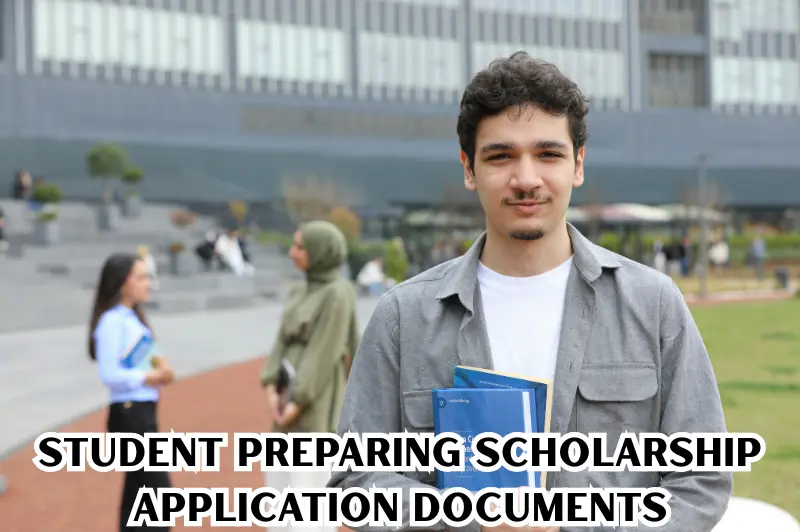
A fully funded scholarship covers all major expenses related to studying at a university, not just tuition. This typically means the student does not need personal savings, a loan, or family support to complete their degree.
Most fully funded scholarships include:
- Full tuition fee waiver
- Monthly stipend or living allowance
- Round-trip airfare
- Health insurance coverage
- Visa application support
- Accommodation or housing allowance
Some programs also cover research costs, books, and academic materials, especially for graduate and PhD-level scholarships.
Fully Funded vs Partial Scholarships
A partial scholarship covers only a portion of costs, such as tuition alone, leaving the student responsible for living expenses. Fully funded scholarships remove this financial burden almost entirely, making them highly competitive.
| Feature | Fully Funded Scholarship | Partial Scholarship |
| Tuition Coverage | 100% | Partial or full |
| Living Stipend | Usually included | Rarely included |
| Airfare | Often included | Not included |
| Health Insurance | Usually included | Not included |
| Competition Level | Very high | Moderate |
Fully funded scholarships for students are among the best opportunities to study abroad without financial stress. Every year, thousands of students search for fully funded scholarships for students that cover tuition, housing, and travel expenses. Whether you’re an undergraduate or a graduate applicant, fully funded scholarships for students open doors to top universities worldwide. Choosing the right fully funded scholarships for students program can shape your entire academic and professional future.
Who Can Apply for Fully Funded Scholarships?
Eligibility depends on the specific scholarship, but most programs share common requirements. Students from developing countries, high-achieving undergraduates, and graduate researchers are frequently prioritized.
General eligibility criteria include:
- Strong academic record (GPA or equivalent)
- Language proficiency (IELTS, TOEFL, or equivalent)
- Letters of recommendation
- Statement of purpose or personal essay
- Proof of leadership, community involvement, or research experience
Some scholarships are country-specific, while others are open globally regardless of nationality.
Common Types of Fully Funded Scholarships
Understanding scholarship categories helps students target the right opportunities.
Government-funded scholarships are offered by national governments to attract international talent, often tied to bilateral education agreements.
University-funded scholarships are provided directly by institutions to attract high-performing applicants, often covering tuition and a stipend.
Organization-funded scholarships come from international bodies, foundations, or private trusts supporting education in specific fields or regions.
Popular Fully Funded Scholarship Programs

While hundreds of scholarships exist worldwide, several programs are widely recognized for their comprehensive funding and structured application processes.
- Fulbright Program – for graduate study and research in the United States
- Chevening Scholarships – UK government scholarship for master’s degrees
- DAAD Scholarships – Germany-based funding for various academic levels
- Erasmus Mundus – joint master’s programs across European universities
- Commonwealth Scholarships – for students from Commonwealth countries
Each program has its own deadlines, subject focus, and eligibility rules, so reviewing official scholarship websites is essential before applying.
How to Find Fully Funded Scholarships
Finding legitimate opportunities requires checking trusted sources rather than relying on random websites or social media posts.
Reliable places to search include:
- Official university financial aid or admissions pages
- Government education ministry websites
- Embassy and cultural exchange program listings
- International organization scholarship portals
- Verified scholarship databases used by academic advisors
Setting alerts for scholarship deadlines and subscribing to official newsletters can help students stay updated on new openings each year.
Step-by-Step Guide to Applying
A structured approach increases the chances of securing a fully funded scholarship, especially given the high competition involved.
- Research early – Start searching at least 8–12 months before the intended start date.
- Check eligibility carefully – Confirm academic, language, and nationality requirements.
- Prepare required documents – Transcripts, recommendation letters, and identification papers.
- Write a strong statement of purpose – Clearly explain academic goals and career plans.
- Take language tests if required – Register early since test slots fill quickly.
- Submit before the deadline – Late applications are rarely considered.
- Prepare for interviews – Some scholarships include a virtual or in-person interview stage.
Tips to Strengthen Your Application
Small improvements in application quality can significantly increase acceptance chances.
- Tailor your essay to each scholarship instead of using a generic version
- Request recommendation letters from professors who know your work well
- Highlight leadership, volunteering, or research experience
- Proofread all documents for grammar and clarity
- Follow formatting and word limit instructions exactly
For official and verified scholarship details, always refer to trusted sources such as the Fulbright Program official website, the Chevening Scholarships portal, the DAAD official scholarship page, and the Commonwealth Scholarships website. These sources provide up-to-date eligibility criteria, deadlines, and application procedures directly from the scholarship providers.
Benefits of Fully Funded Scholarships
Fully funded scholarships offer more than financial relief. They open doors to global exposure and long-term career growth.
Key benefits include:
- No tuition or living cost burden
- Access to top-ranked universities
- Networking with international peers
- Stronger resume and career opportunities
- Exposure to new cultures and research environments
Fully funded scholarships for students are among the best opportunities to study abroad without financial stress. Every year, thousands of students search for fully funded scholarships for students that cover tuition, housing, and travel expenses. Whether you’re an undergraduate or a graduate applicant, fully funded scholarships for students open doors to top universities worldwide. Choosing the right fully funded scholarships for students program can shape your entire academic and professional future.
Limitations to Consider
While highly beneficial, fully funded scholarships also come with challenges students should be aware of.
- Extremely competitive selection process
- Strict academic and language requirements
- Limited number of available seats
- Some scholarships require returning to the home country after graduation
- Application process can be lengthy and document-heavy
Common Mistakes to Avoid
Many strong candidates lose scholarship opportunities due to avoidable errors rather than lack of qualification.
- Applying at the last minute
- Submitting a generic, unedited personal statement
- Ignoring specific eligibility instructions
- Failing to meet language test score requirements
- Not proofreading documents before submission
If you’re just starting your scholarship journey, you may also find our guide on how to write a winning scholarship statement of purpose helpful. For students comparing test requirements, check out our detailed comparison of IELTS vs TOEFL for scholarships. You can also explore our list of top countries offering fully funded scholarships in 2026 to shortlist the best destination for your studies.
For official and verified scholarship details, always refer to trusted sources such as the Fulbright Program official website, the Chevening Scholarships portal, and the DAAD official scholarship page. These sources provide up-to-date eligibility criteria, deadlines, and application procedures directly from the scholarship providers.
Fully funded scholarships for students are among the best opportunities to study abroad without financial stress. Every year, thousands of students search for fully funded scholarships for students that cover tuition, housing, and travel expenses. Whether you’re an undergraduate or a graduate applicant, fully funded scholarships for students open doors to top universities worldwide. Choosing the right fully funded scholarships for students program can shape your entire academic and professional future.
Frequently Asked Questions
What does a fully funded scholarship usually cover?
It typically covers tuition, monthly stipend, airfare, health insurance, and sometimes accommodation. Coverage varies by program, so students should always confirm exact benefits on the official scholarship page before applying.
Are fully funded scholarships only for top students?
Academic excellence helps, but many scholarships also value leadership, community work, and research potential. A strong, well-rounded application often matters as much as grades alone.
How early should I apply for a scholarship?
Most experts recommend starting preparation 8 to 12 months before the deadline. This allows enough time for language tests, recommendation letters, and a well-written personal statement.
Can I apply for multiple scholarships at once?
Yes, applying to multiple scholarships is allowed and often encouraged, as it increases the chances of receiving an offer. Just ensure each application is tailored to that specific program.
Do fully funded scholarships require a language test?
Most international scholarships require proof of English or the local language proficiency, such as IELTS or TOEFL. Some university-taught-in-English programs may waive this if prior education was in English.
Conclusion
Fully funded scholarships for students offer a realistic path to studying abroad without financial stress, covering tuition, living costs, and travel. Success depends on early research, meeting eligibility requirements, and submitting a well-prepared application. Students ready to pursue this opportunity should start by shortlisting three to five scholarships that match their academic background and begin preparing documents today.

