

Introduction
Student Life Tips can help students manage their studies, improve their daily routines, build meaningful friendships, and prepare for a successful future. Student life is an important stage of learning, personal development, and discovering new interests. However, balancing assignments, exams, social activities, family responsibilities, and personal goals can sometimes feel challenging.
Whether you are in school, college, or university, developing good habits can make your daily life more manageable. You do not need to change everything at once. Simple actions, such as planning your day, studying consistently, getting enough sleep, and asking for help when needed, can make a meaningful difference.
This guide covers practical student life tips for better time management, effective studying, financial planning, mental well-being, healthy relationships, and personal growth. You will also learn how to avoid common mistakes and develop routines that support both academic success and a more enjoyable student experience.
1. Create a Daily Routine That Works for You
A daily routine helps students organize their responsibilities and use their time more effectively. Instead of deciding what to do at every moment, you can follow a flexible plan that includes studying, meals, rest, exercise, and social activities.
A good routine should support your actual lifestyle rather than force you to follow an unrealistic schedule.
Plan Your Day the Night Before
Spend five to ten minutes each evening deciding what you need to accomplish the following day.
Write down your three most important tasks, such as completing an assignment, revising a chapter, or preparing for a class presentation. Add smaller tasks only after identifying your priorities.
For example, a student with classes in the morning might plan to review notes in the afternoon, complete homework before dinner, and spend a short period preparing for the next day’s lessons.
Keep Your Schedule Realistic
Avoid filling every hour with work. Unexpected assignments, transportation delays, and personal responsibilities can interrupt even a well-planned day.
Leave some free time between activities so you can adjust your schedule when necessary.
Practical tip: Use a notebook, calendar, or phone reminder app to keep track of classes, deadlines, examinations, and important appointments.
2. Improve Your Time Management Skills
Time management is the ability to decide how to use your available time according to your priorities. It helps students complete important tasks without constantly rushing to meet deadlines.
Effective time management is not about studying every hour. It is about using your time intentionally and making space for other responsibilities.
Use the Priority Method
Divide your tasks into three categories:
- High priority: Assignments due soon, exam preparation, and essential academic work.
- Medium priority: Reviewing class notes, working on long-term projects, and organizing study materials.
- Low priority: Optional activities that can wait until more important tasks are complete.
This approach helps you recognize which tasks require immediate attention.
Try Time Blocking
Time blocking means assigning a specific period to a particular activity.
For example, you could spend 30 minutes reviewing biology, take a short break, and then spend another 30 minutes practicing mathematics.
The exact duration is flexible. Choose a study period that allows you to concentrate without becoming exhausted.
Avoid Multitasking
Switching between studying, social media, messaging, and videos can make it harder to maintain attention.
During study sessions, silence unnecessary notifications and keep your phone away from your immediate workspace if it distracts you.
Complete one task before moving to another whenever possible.
3. Develop Effective Study Habits
Effective study habits help students understand information, remember important concepts, and prepare for examinations more confidently. Consistency and active learning are generally more useful than relying entirely on last-minute revision.
The best study method depends on the subject, your current knowledge, and the type of examination you need to prepare for.
Review Your Notes After Class
Spend a short period reviewing your notes on the same day whenever possible. Correct confusing points, highlight important concepts, and write down questions that you need to ask your teacher.
This keeps information organized and makes later revision easier.
Use Active Recall
Active recall means trying to remember information without immediately looking at your notes.
For example, after reading a chapter about the human digestive system, close the textbook and explain the main stages in your own words. Then check your explanation against the original material.
You can also use flashcards, practice questions, or short self-tests.
Apply Spaced Repetition
Spaced repetition involves reviewing information at intervals instead of studying everything in one session.
You might review a topic today, revisit it tomorrow, and test yourself again several days later. Adjust the intervals according to how well you remember the material.
This method is particularly useful for vocabulary, definitions, formulas, and other information that requires repeated practice.
Choose a Suitable Study Environment

A useful study space should be comfortable, reasonably quiet, and organized enough to reduce distractions.
Keep the materials you need nearby, including textbooks, notebooks, stationery, and water.
If your home is noisy, consider a library, a quiet classroom, or another suitable study area.
4. Prepare for Exams Without Last-Minute Stress
Exam preparation becomes more manageable when you divide the syllabus into smaller sections and begin revising before the examination period.
Cramming may help you review some information quickly, but relying on it alone can leave you feeling overwhelmed and may make it harder to retain what you learn.
Create an Exam Study Plan
Start by listing your subjects, examination dates, and topics that need revision.
Give extra time to difficult subjects while continuing to review the ones you already understand.
For example, if your mathematics examination is approaching, schedule regular problem-solving sessions rather than spending all your time rereading the textbook.
Practice Past Papers and Questions
Practice questions help you understand how information is tested. They can also reveal gaps in your knowledge before the actual examination.
After completing a practice paper, check your answers and identify recurring mistakes. Review the relevant concepts before attempting similar questions again.
Use past papers when they are available through your school or institution, and make sure you understand the current syllabus.
Take Care of Yourself Before Exams
Do not sacrifice all your sleep to study longer. Sleep supports attention, learning, and memory, while exhaustion can make concentration more difficult.
Eat regular meals, drink water, and take short breaks during long revision sessions.
If you feel overwhelmed, divide the next task into a small, achievable step rather than worrying about the entire syllabus at once.
5. Maintain a Healthy Balance Between Studies and Social Life
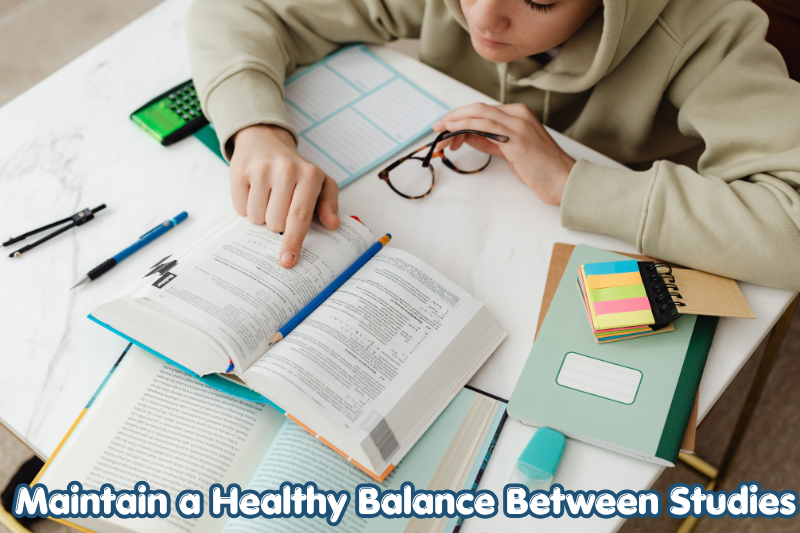
A balanced student life includes academic responsibilities, friendships, personal interests, and time to rest. Spending every available moment studying can lead to frustration, while ignoring academic work can create unnecessary pressure later.
The goal is to make room for both responsibilities and enjoyment.
Make Time for Friends
Friendships can provide companionship, encouragement, and opportunities to learn from others.
Join classmates for lunch, participate in campus activities, or arrange a study session with friends who share your academic goals.
You do not need to attend every gathering to maintain good relationships. Choose activities that fit your schedule and interests.
Learn to Say No Politely
Students sometimes agree to every invitation because they do not want to disappoint their friends.
However, it is reasonable to decline an activity when you have an important deadline or need time to rest.
You can explain that you have work to finish and suggest another time to meet.
Join Clubs and Student Activities
University clubs, sports teams, volunteering opportunities, and student societies can help you explore interests outside the classroom.
These activities may also help you develop communication, teamwork, and leadership skills.
Choose a manageable number of activities. Joining too many organizations can leave you with less time for your studies and personal needs.
6. Take Care of Your Physical and Mental Well-Being
Physical and mental well-being are important parts of a successful student experience. Regular sleep, balanced meals, movement, and opportunities to relax can support concentration and make everyday responsibilities easier to manage.
Healthy habits do not need to be complicated or expensive.
Get Enough Sleep
Most teenagers need approximately eight to ten hours of sleep per night, while adults generally need at least seven hours. Individual needs can vary.
Try to maintain a consistent sleep schedule, including on weekends when possible. Reduce late-night screen use if it interferes with your ability to fall asleep.
Staying awake all night before an examination may seem productive, but it can impair attention and make learning more difficult.
Eat Balanced Meals
Food provides energy for classes, studying, and daily activities.
Whenever possible, include a variety of foods such as vegetables, fruit, whole grains, beans, lentils, eggs, dairy products or suitable alternatives, and other protein sources.
If you have limited time or money, simple meals can still be practical. For example, lentils with rice, eggs with whole-wheat bread, or beans with vegetables can provide useful nutrients.
Drink water regularly, especially during hot weather or physical activity.
Include Physical Activity
Walking, cycling, playing a sport, stretching, or following a home exercise routine can help you stay active.
You do not need an expensive gym membership to make movement part of your daily routine.
If you spend long periods sitting while studying, take occasional movement breaks to stretch and change position.
Recognize When You Need Support
Academic pressure, financial concerns, loneliness, and personal difficulties can affect students in different ways.
If stress becomes persistent or begins interfering with sleep, relationships, concentration, or everyday activities, speak with someone you trust or seek help from a qualified counselor or healthcare professional.
Asking for support is a practical step toward managing difficulties, not a sign that you have failed.
7. Manage Your Money as a Student
Financial management helps students make better decisions about everyday spending and prepare for unexpected expenses. Even a small budget can help you understand where your money goes.
You do not need a large income to begin building responsible financial habits.
Make a Simple Monthly Budget
Start by writing down your available income or allowance and your regular expenses.
Common student expenses include:
- Transportation
- Food and groceries
- Books and stationery
- Mobile data and internet
- Accommodation or rent
- Course fees and other educational costs
- Personal spending
Separate essential expenses from optional purchases. This makes it easier to see where you may be able to save.
Track Your Spending
Record your purchases in a notebook, spreadsheet, or budgeting app.
Review your spending weekly to identify unnecessary costs. Small purchases can add up over time, particularly when you buy snacks, drinks, or subscriptions frequently.
If you receive a fixed allowance, consider dividing it into weekly amounts to help you manage it throughout the month.
Save When Possible
Set aside a small amount whenever your budget allows. Even modest savings can help with books, transportation, or unexpected educational expenses.
Look for legitimate student discounts, library resources, used textbooks, and affordable transportation options.
Avoid borrowing money for unnecessary purchases, and be cautious of online offers that promise easy earnings in exchange for upfront payments or sensitive personal information.
8. Build Strong Relationships With Teachers and Classmates
Positive academic relationships can make learning more productive and help students feel connected to their educational community.
Teachers can clarify difficult topics, explain assignment expectations, and direct students toward useful learning resources.
Ask Questions When You Are Confused
If you do not understand a lesson, ask a clear question as soon as practical.
For example, instead of saying that an entire subject is confusing, identify the exact concept or step that you cannot follow.
You can ask during class, attend office hours where available, or send a respectful message through the institution’s approved communication channel.
Work With Classmates
Group study can help students compare ideas, explain difficult concepts, and prepare for examinations.
For best results, agree on a specific goal before meeting. One session might focus on solving mathematics problems, while another could involve reviewing presentation material.
Keep the group focused and make sure everyone contributes.
Communicate Respectfully
Listen to other people’s perspectives, respect different opinions, and avoid sharing private information without permission.
Good communication also means being reliable. If you agree to complete part of a group assignment, finish it by the agreed deadline or communicate early if you encounter a problem.
9. Use Technology Wisely for Learning
Technology can make studying more convenient by providing access to educational videos, digital textbooks, calendars, online courses, and practice exercises.
However, using technology effectively requires choosing reliable resources and avoiding unnecessary distractions.
Choose Useful Study Tools
A calendar can help you track deadlines, while digital notes can keep your material organized.
Flashcard apps may support revision, and educational videos can offer alternative explanations when a textbook is difficult to understand.
Start with a few tools that solve specific problems instead of downloading many apps that you rarely use.
Use AI Tools Responsibly
AI tools can help explain difficult concepts, generate practice questions, organize revision plans, or provide feedback on writing.
However, their answers can be incorrect, incomplete, or outdated. Verify important information using course materials, textbooks, official educational resources, or your teacher’s guidance.
Follow your institution’s academic integrity policy. Do not submit generated work as your own when the rules prohibit it, and never rely on an AI answer without understanding the subject yourself.
Reduce Digital Distractions
Set limits on entertainment apps during study periods if they interrupt your concentration.
You can turn off nonessential notifications, use focus settings, or study with your phone in another room.
The aim is not to avoid technology completely but to use it in ways that support your academic goals.
10. Develop Skills Beyond the Classroom
Student life is an opportunity to develop skills that can support future employment, further education, and personal independence.
Academic results matter, but practical skills and real-world experience can also contribute to long-term development.
Improve Communication Skills
Practice writing clear emails, speaking confidently, listening carefully, and presenting ideas in an organized way.
You can develop these skills through class presentations, group projects, debates, student societies, and everyday conversations.
For professional communication, use a clear subject line in emails, explain your purpose briefly, and check your message before sending it.
Learn Digital and Professional Skills
Depending on your interests, useful skills may include spreadsheet use, presentation design, research, coding, graphic design, writing, or data analysis.
Choose a skill that relates to your academic field or career goals.
Free tutorials, library resources, and introductory online courses can help you begin learning before paying for expensive training.
Gain Practical Experience
Internships, volunteering, supervised projects, and part-time work may help students understand professional expectations.
Before accepting an opportunity, check its responsibilities, schedule, safety, and compensation arrangements where relevant.
Do not take on so many commitments that your academic work or well-being suffers.
11. Overcome Procrastination and Stay Motivated
Procrastination means delaying a task even when you know that completing it is important. Students may procrastinate because a task feels difficult, boring, stressful, or too large to manage.
The solution is often to make the first step smaller and easier to begin.
Break Large Tasks Into Smaller Steps
Instead of writing “complete assignment” on your to-do list, divide the task into clear actions.
For example:
- Read the assignment instructions.
- Identify the main question.
- Gather relevant sources.
- Create an outline.
- Write the first draft.
- Review and edit the work.
- Submit it before the deadline.
Each completed step gives you a clearer sense of progress.
Start With Five Minutes
If you are struggling to begin, commit to working for just five minutes.
Open the document, read the first page, or solve the first question. Once you start, continuing may feel easier.
If you still feel tired or overwhelmed after starting, take a short break and reconsider the next step.
Track Your Progress
Use a checklist or weekly review to see what you have completed.
Recognize specific improvements, such as finishing assignments earlier or understanding a difficult topic better.
Motivation naturally changes from day to day, so build routines that allow you to make progress even when you do not feel especially motivated.
12. Avoid Common Student Life Mistakes
Many student difficulties develop from habits that seem harmless at first but become difficult to manage over time.
Recognizing these patterns can help you make better choices.
Leaving Everything Until the Last Minute
Delaying assignments often creates avoidable pressure and reduces the time available for research, revision, and proofreading.
Start with a small part of each assignment soon after receiving it. Use reminders to identify important deadlines before they become urgent.
Comparing Yourself With Other Students
Students learn at different speeds and have different responsibilities, resources, and strengths.
Comparing your progress with someone else’s grades, social life, or achievements can create unnecessary pressure.
Instead, compare your current habits with your own previous performance. Identify one area where you can improve and make a realistic plan.
Ignoring Rest and Personal Interests
Treating every nonacademic activity as wasted time can make your schedule difficult to maintain.
Rest, hobbies, and social connection are legitimate parts of student life. Plan them alongside your academic responsibilities rather than waiting until you feel completely exhausted.
Being Afraid to Ask for Help
Students sometimes remain confused because they worry that asking questions will make them look unprepared.
In reality, asking a specific question can help you understand material more accurately and prevent small misunderstandings from becoming larger problems.
Use available academic support, tutoring, counseling, or student services when needed.
13. Make the Most of Your College or University Experience
College and university offer opportunities to explore interests, meet people from different backgrounds, and prepare for life beyond formal education.
Making the most of this experience does not mean participating in every event or filling every day with activities. It means choosing opportunities that match your interests, needs, and goals.
Explore New Interests
Try a club, attend an educational event, learn a new skill, or participate in a community activity.
You may discover interests that help shape your future career or simply make student life more enjoyable.
Build a Supportive Network
Develop connections with classmates, teachers, mentors, and people who share your interests.
A supportive network can provide practical advice, opportunities to collaborate, and encouragement during difficult periods.
Build relationships naturally and respectfully instead of treating every connection as a way to gain an advantage.
Prepare for Life After Graduation
Think about the skills, qualifications, and experience you may need for your intended career.
Depending on your field, you could build a portfolio, improve your CV, complete relevant projects, or research internship opportunities.
You do not need to have your entire future planned from the beginning. Reviewing your interests and goals periodically can help you make informed decisions as you gain experience.
14. A Simple Weekly Plan for Better Student Life
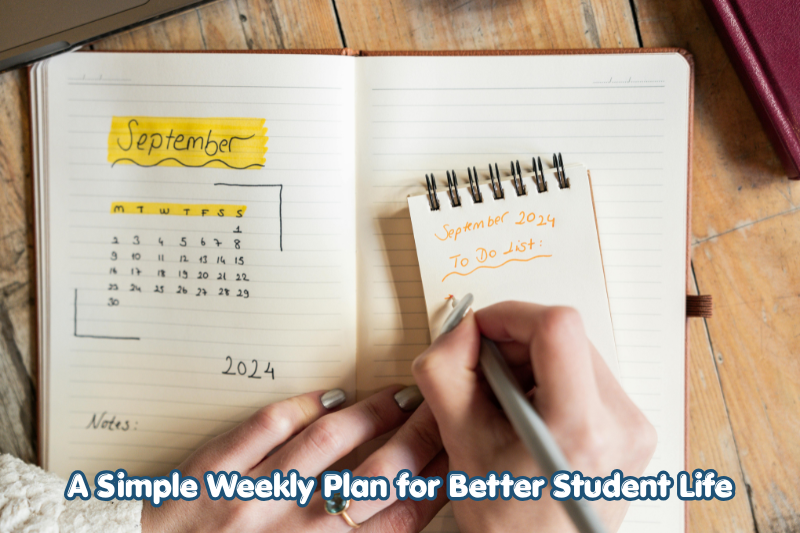
A weekly plan can help you balance academic work with personal responsibilities. Adjust the following example to your timetable, course requirements, and energy levels.
Monday: Review class notes, list upcoming deadlines, and begin the most urgent assignment.
Tuesday: Focus on difficult subjects, practice questions, and review any confusing concepts.
Wednesday: Work on longer assignments or projects and attend available study groups or support sessions.
Thursday: Revise previously covered material and check progress toward examination goals.
Friday: Finish priority tasks, organize study materials, and prepare for the following week.
Saturday: Use a suitable block of time for revision, personal projects, hobbies, exercise, or social activities.
Sunday: Review the past week, prepare a realistic schedule, organize necessary materials, and allow time to rest.
This is only an example, not a strict timetable. Students with jobs, family responsibilities, laboratory sessions, or demanding course schedules may need a different arrangement.
The important habit is to review your priorities regularly and make adjustments when circumstances change.
Frequently Asked Questions
1. What are the best student life tips for beginners?
Start with a simple daily routine, track assignment deadlines, review your notes regularly, and get enough sleep. Make time for friendships and personal interests without neglecting your studies. You do not need a perfect schedule immediately; begin with two or three manageable habits and improve your routine as you discover what works best.
2. How can students manage their time effectively?
Students can manage time by listing important tasks, setting realistic deadlines, and dividing large assignments into smaller steps. Time blocking can help organize study sessions, while short breaks may make longer periods of work more manageable. Review your schedule each evening and adjust it when new responsibilities arise.
3. How can I balance study and social life?
Create a schedule that includes academic work, social activities, and rest. Complete important assignments before committing to optional events, but avoid eliminating all enjoyable activities from your routine. Choose social opportunities that matter to you, communicate your availability clearly, and remember that maintaining balance may require adjustments during examination periods.
4. How can students reduce academic stress?
Break large tasks into smaller steps, begin assignments early, and use active study methods instead of relying only on last-minute revision. Regular sleep, physical activity, and supportive relationships can also help. If stress persists or interferes with daily life, consider speaking with a trusted person, school counselor, or qualified healthcare professional.
5. What skills should every student develop?
Useful skills include time management, communication, critical thinking, problem-solving, teamwork, digital literacy, and financial management. The most important skills depend on your course and future goals. You can develop them through class projects, volunteering, independent learning, internships, and everyday responsibilities. Start with one skill and practice it consistently.
Conclusion
Student life becomes more manageable when you develop practical habits that support your academic goals, personal well-being, relationships, and future plans. Effective time management, consistent study routines, healthy sleep, sensible budgeting, and responsible technology use can help you make better use of each day.
Remember that successful student life is not about achieving perfection or being productive every minute. It is about making steady progress, learning from mistakes, maintaining supportive relationships, and knowing when to seek help.
Your next step: Choose three student life tips from this guide that would make the biggest difference to your current routine. Write them down, put them into practice this week, and review your progress at the end of the week. Small, consistent improvements can help you build a more organized and rewarding student experience.